Sarah Levine-Miles, lcsw-c, PmH-C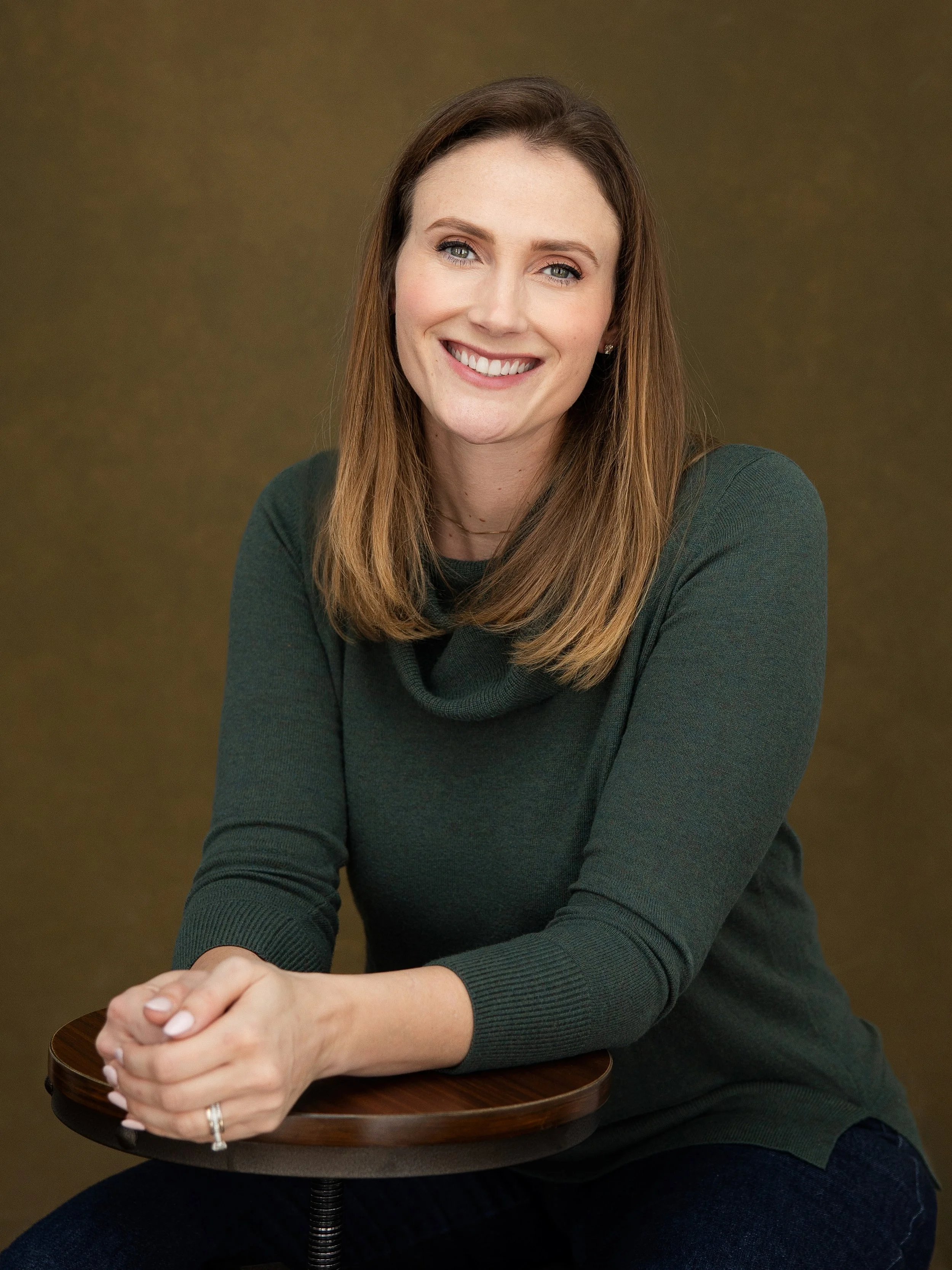
Midwest nice with a wild west spirit.
I grew up in the Rocky Mountains and and spent 15 years of my adult life in Chicago. In the last couple of years I put down roots in the DC Metro area with my family.
I have known since I was young that I wanted to be a therapist. I feel incredibly lucky to do work that I love and believe in.
I’m all about helping you build a life that feels rich and meaningful-not just manageable. I feel that it is important for clients not to see me as a blank slate, but rather as a fellow human on this journey, with expertise and skills to help.
Together, we’ll create a path that helps you show up as the self you value, even when life feels messy.
-
Education
MSW, University of Chicago, School of Social Service Administration (2014)
Private Practice
Private practice established in 2017
Clinical Experience
Before private practice, I worked across a range of mental health settings, including:
Youth and family support organizations
Elementary and high school mental health services
Hospitals and Neonatal Intensive Care Units (NICU)
Substance use treatment programs
Psychiatric nursing homes
Non-profit community organizations
Street outreach and case management
Therapeutic support for vulnerable populations, including pregnant and parenting women
Helping people who carry a lot feel less alone in it.
sarah levine-miles, lcsw-c, PmH-C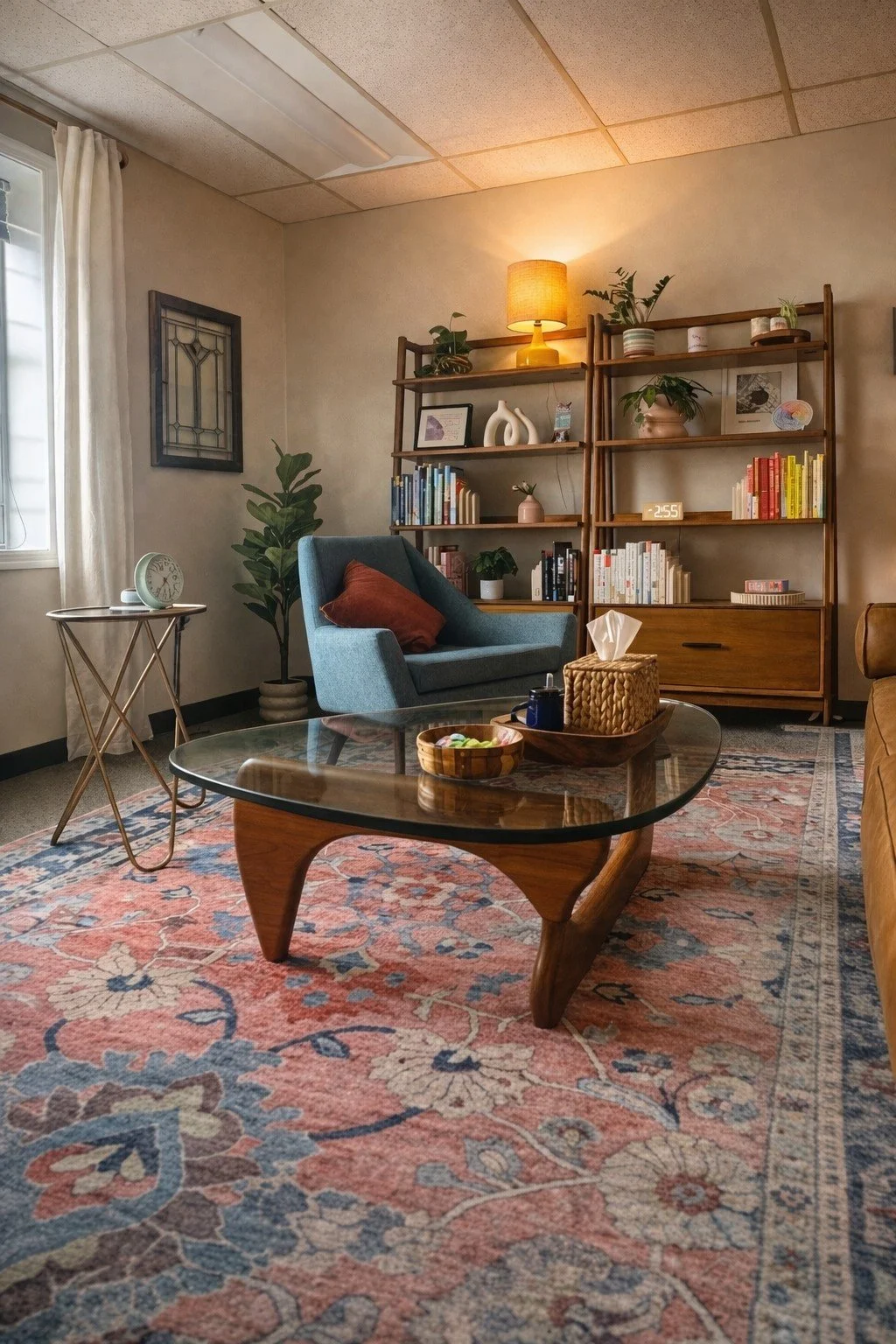
I’m not the kind of therapist who stays detached behind a clipboard.
I bring warmth, curiosity, and a disarming presence that helps you talk about what’s hard — without it feeling heavy or overly formal.

your capacity is not infiniteWhen staying “fine” stops feeling sustainable.
You get through the day. You show up. You handle things. And it works…until you’re tense, tired, and running on fumes.
You don’t have to brace yourself for a big unraveling. Just some space to breathe and practical ways to make this feel easier.
The values that guide how I show up
oneCompassion
We’ll approach what’s hard with care instead of pushing through or avoiding it. We slow down, notice what’s here, and make room for it so it feels more manageable and less overwhelming.
TwoAuthenticity
No performance, no therapist voice, no pressure to say things the “right” way. I show up as a real human, and you get to show up as you are: honest, imperfect, and unedited.
threePlayfulness
Because this doesn’t have to feel heavy every second. A little curiosity, humor, or lightness can help things move when they feel stuck, and make the work feel more doable.
Looking for support for something specific?Some of my clinical specialties
-
A lot of men move through life by pushing through — staying composed, handling things on their own, and keeping feelings private. That works, until it starts to cost something: connection, intimacy, purpose, or even the ability to know what you’re feeling at all. Many of the men I work with describe feeling present on the outside, but numb, tense, or shut down internally.
My work with men focuses on shifting from white-knuckling your way through life to being able to show up in the ways that matter most — in relationships, in work, and in your own internal world. This isn’t about becoming “more emotional.” It’s about having access to yourself again, instead of living cut off from what you want and care about.
In our work, we’ll:
Understand what’s happening emotionally, even when it’s hard to name
Rebuild connection in relationships without feeling overwhelmed or exposed
Strengthen intimacy and communication in ways that feel natural, not forced
Identify where numbness, shutdown, or irritability show up — and why
Move toward goals and values with clarity, rather than pressure or performance
You don’t have to figure this out alone.
Therapy can help you feel more steady, more connected, and more like yourself. -
Support for the parts of you that are changing — seen, held, and understood.
Pregnancy and the postpartum period can open up profound shifts — in identity, nervous system, relationships, and the way you understand yourself. This time can bring joy, fear, grief, rage, anxiety, numbness, and meaning all at once. You don’t have to make any of it make sense alone.
I am certified in Perinatal Mental Health (PMH-C) through Postpartum Support International — the only internationally recognized certification for perinatal mental health. My background also includes training in a Level III NICU and supporting families navigating complicated pregnancies, loss, high-risk medical situations, premature birth, and postpartum hospitalizations.
This means I understand not just the emotional shifts, but the medical, hormonal, attachment, and trauma layers that often go unseen.
We’ll work gently and steadily, helping you:
Understand and regulate your nervous system during a major identity transition
Make sense of intense emotions without shame or self-blame
Repair places where support fell short or trauma occurred
Stay connected to your needs even when others need things from you
This is a space where you get to be held, not just the one who holds everything together.
-
Steadying your emotional rhythms without shutting down what makes you, you.
I work with people who experience shifts in energy, emotion, and intensity — times of feeling deeply inspired and connected, followed by periods that feel heavy, slowed down, or numb.
Bipolar is not just about managing symptoms; it’s about the relationship you have with your own internal rhythms.
Our work focuses on learning your early cues, repairing the shame that often collects around these patterns, and developing structure that supports you without feeling restrictive or flattening.
We move at a nervous system pace, not a checklist.
We learn your early signals, so you don’t feel ambushed by your own mind.
We build routines that feel supportive, not controlling.
And throughout, we protect your sense of identity, vitality, and agency — so you don’t have to choose between being stable and being yourself. -
Support for stepping out of the mental exhaustion of looping thoughts, checking, and constant doubt.
OCD can feel like living inside a loop: intrusive thoughts, mental replaying, reassurance seeking, checking, avoiding, or analyzing just to feel temporarily safe.
Even when you know your thoughts don’t make sense, the discomfort can be so strong it feels impossible not to respond. The more you try to get certainty, the tighter the cycle becomes.
I’m trained in Exposure and Response Prevention (ERP) and Acceptance and Commitment Therapy (ACT) through Massachusetts General Hospital / Harvard Medical School, two of the most effective and research-backed treatments for OCD.
Our work focuses on learning how to relate to your thoughts differently — so your life becomes bigger than the fear, the what-ifs, and the rituals.
This isn’t about forcing yourself to “face your fears” alone.
It’s about creating space, reducing compulsions gradually, and rebuilding trust in your internal signals — at a pace your nervous system can actually tolerate. -
There’s a lot of pressure to have things figured out — your direction, your identity, your relationships, your purpose. On the outside, you may look like you’re managing: you’re doing the work, showing up, handling things. But inside, it might feel confusing, overwhelming, or like you’re falling behind some invisible timeline everyone else seems to know about.
Therapy is a space to slow down enough to understand what’s actually happening — not in an abstract, “who am I?” way, but in a grounded, practical way that helps you make choices that feel aligned with who you are and what you want.
We can work on:
Anxiety, overthinking, and the pressure to get it “right”
Identity, self-esteem, belonging, or questioning where you fit
Relationships, dating, communication, and intimacy
Burnout, perfectionism, and feeling like nothing is ever enough
Transitions: moving, graduating, changing jobs, navigating early career
Feeling numb, unmotivated, or unsure of your direction
This isn’t about having all the answers.
It’s about learning how to listen to yourself, trust yourself, and build a life that feels like yours — not just the one you’re expected to live.
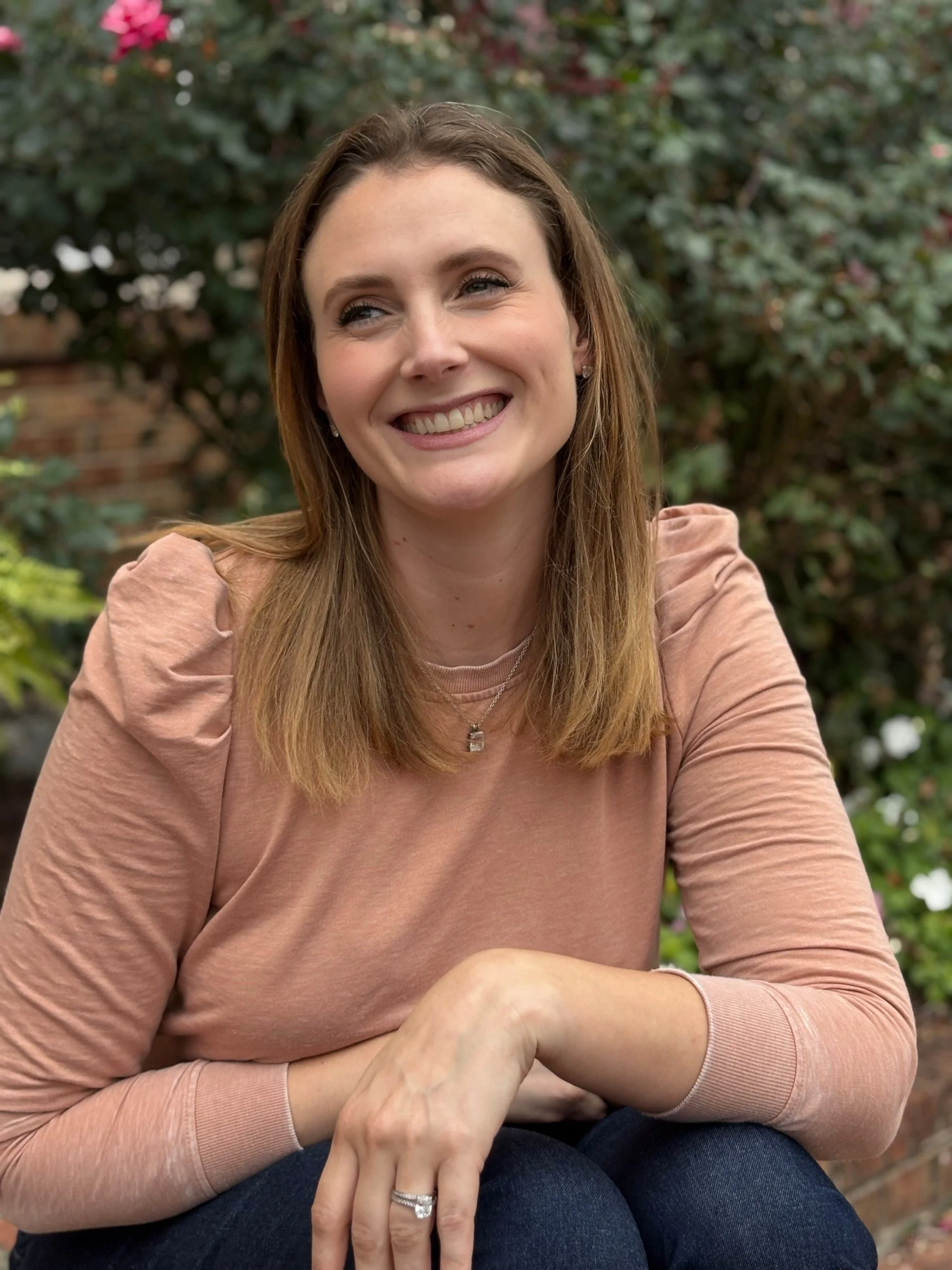
outside the therapy roomThe parts of life that fill my cup (emotional support beverages).
Amateur gardening- Kind of a fuck-around-and-find-out journey. I went from the city with no green space to a suburban house with a full on vegetable garden.
Live Music- You will find me at venues throughout the DMV. Favorite music that I’ve seen live this year: Noah Kahan, Vampire Weekend & Joy Olakodun.
Escapist TV- The Summer I Turned Pretty, Love is Blind, and Nobody Wants This
Parenting/Embarrassing My Kids- Dancing and singing in the car at school drop off while my kids groan mommm


Sarah Levine-Miles, LCSW-C, PMH-C